A Complete Guide to Tree Care, Pruning, Removal, and Property Safety
In Tampa, trees and palms grow quickly because of the warm weather, heavy rain, and long growing season. That can be a major benefit for curb appeal, shade, and privacy, but it also means maintenance cannot be ignored for too long. Overgrown limbs, weak branch unions, dead wood, root stress, storm damage, and neglected palms can all become expensive problems if left untreated.
A professional tree service company helps homeowners stay ahead of those issues with inspection, trimming, selective pruning, removals, stump work, debris hauling, and storm response. The goal is never simply to cut as much as possible. The goal is to make thoughtful decisions that improve safety and preserve the health and structure of the tree whenever possible.
1. Tree Trimming and Structural Pruning
Many people use the words “trimming” and “pruning” interchangeably, but they are not always the same. Tree trimming often refers to reducing overgrowth, improving shape, and removing branches that interfere with structures or visibility. Structural pruning is more intentional. It focuses on how the tree is built, which branches should remain, and how to encourage stronger long-term growth.
Proper pruning may include removing deadwood, thinning crowded interior growth, reducing end weight on long limbs, correcting branch spacing, clearing homes and driveways, and improving airflow through the canopy. In storm-prone areas like Tampa, smart pruning can also reduce the chance of limb failure during heavy wind and rain.
Why it matters
Pruning improves structure, reduces hazards, helps light penetrate the canopy, and keeps branches from damaging nearby property.
When it helps most
Overgrown shade trees, branches hanging over roofs, poor clearance above walkways, and trees with dead or rubbing limbs.
2. Tree Removal When a Tree Becomes Unsafe or Unwanted
Not every tree can or should be saved. Some trees become unstable because of disease, root failure, storm splitting, heavy lean, internal decay, or severe structural defects. In other cases, a tree may be planted too close to a structure, crowding a roofline, damaging pavement, or interfering with future construction or landscaping goals.
Professional tree removal requires planning, especially in tight residential spaces. Sections may need to be rigged carefully, lowered in pieces, and removed without damaging nearby fences, patios, homes, garden beds, or utility areas. Safe removal is a skilled process, not a rushed one.
- Dead trees that no longer produce healthy growth
- Trees with major storm damage or split trunks
- Leaning trees with unstable root systems
- Trees too close to homes, pools, or power corridors
- Specimens with severe decline, rot, or structural weakness
In many cases, removal becomes the safest option when the risk of falling limbs or total failure is greater than the value of keeping the tree in place.
3. Palm Tree Trimming and Palm Health
Palm maintenance is a category of its own. Unlike traditional shade trees, palms respond differently to pruning. Over-cutting a palm can weaken its appearance and reduce its ability to stay healthy. That is why palm trimming should focus on removing dead, hanging, broken, or hazardous fronds rather than stripping the tree too aggressively.
In Tampa, palms are a major part of many residential and commercial landscapes. Keeping them clean, balanced, and free of heavy dead material improves both curb appeal and safety. Seed pods, dead fronds, and storm-broken growth can become unsightly or hazardous if ignored.
Common palm services include:
- Dead frond removal
- Seed pod and fruit stalk cleanup
- Palm skin and boot cleanup where appropriate
- Storm damage correction
- Routine appearance maintenance for homes and businesses
4. Storm Cleanup and Emergency Tree Work
High winds, lightning, saturated soil, and hurricane-season weather can damage even healthy trees. After a storm, property owners may be dealing with broken limbs, partially failed trees, hanging branches, blocked driveways, torn canopies, or uprooted trunks leaning into structures. Emergency response work focuses first on making the site safe and preventing further damage.
Storm cleanup often includes removing broken limbs from roofs, cutting down failed sections, clearing debris, stabilizing the area, and determining whether the rest of the tree can be saved or should be removed. Fast response matters, but safe methodical work matters even more.
Suggested image: post-storm cleanup with branches being hauled away.
5. Stump Grinding and Site Cleanup
Once a tree is removed, many homeowners do not want the stump left behind. Stumps can interfere with mowing, collect pests, create tripping hazards, and make a finished landscape look incomplete. Stump grinding reduces the visible stump below grade so the area can be restored more cleanly.
Cleanup is also a major part of professional service. A complete job usually includes brush hauling, log removal, raking, and leaving the site in a condition that feels orderly and usable again. Homeowners often notice the cleanup quality as much as the cutting itself.
6. Signs a Tree May Need Professional Attention
Some tree problems are obvious, but others develop slowly. A homeowner may not notice a serious issue until a limb breaks or the tree begins to decline. Regular visual checks can help catch warning signs before they turn into costly emergencies.
- Large dead branches in the upper canopy
- Cracks where major limbs attach to the trunk
- Heavy lean developing after storms or flooding
- Mushrooms or decay signs near the base
- Canopy thinning, branch dieback, or sudden decline
- Limbs rubbing the roof, fence, or power lines
- Palm fronds hanging low over walkways or driveways
7. Why Professional Tree Work Matters
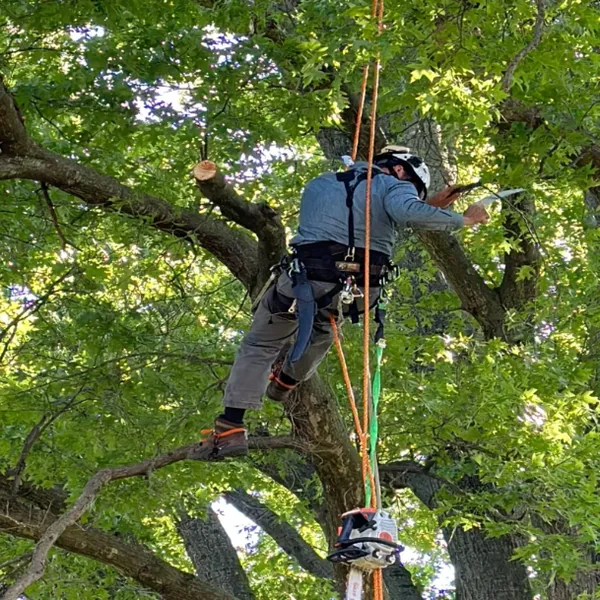
Tree work looks simple from the ground, but it often involves chainsaws at height, climbing systems, rigging, falling debris, tensioned limbs, unstable wood, and structures directly below the work zone. Improper cuts can damage the tree permanently. Unsafe technique can damage the property — or worse, injure someone.
Hiring an experienced team helps ensure the right branches are removed, the job is performed safely, the area is protected, and the results actually improve the tree rather than harming it. Professional crews also understand how to work efficiently around homes, fences, patios, irrigation, ornamental plants, and tight access areas.
8. Benefits of Routine Tree Maintenance
Tree care should not be viewed only as a reactive service. Routine maintenance can reduce future cost and help your landscape stay attractive year-round. Healthy, balanced trees frame a home beautifully, provide shade, and make the entire property feel more established and well cared for.
Safety
Reduce the chance of broken limbs, visibility issues, and damage to nearby structures.
Appearance
Improve curb appeal, balance, and the overall look of the landscape.
Longevity
Encourage healthier growth patterns and reduce preventable stress.
Property value
Well-maintained trees can contribute to a more attractive and more valuable property.
9. Frequently Asked Questions About Tree Services
How often should trees be trimmed?
It depends on the species, age, location, and growth rate of the tree. Fast-growing trees near homes usually need attention more often than mature trees in open space. Palms also follow a different maintenance pattern than broad-canopy trees.
Is removing more branches always better?
No. Over-pruning can weaken the tree, reduce healthy foliage, and create long-term stress. The best results come from selective, intentional cuts — not excessive cutting.
Can storm-damaged trees be saved?
Sometimes yes, sometimes no. Some trees recover well with corrective pruning, while others become structurally compromised and unsafe. A professional assessment helps determine the right next step.
Do palms need the same care as regular trees?
Not exactly. Palm trimming should be approached differently. Over-cutting palms is common and usually not beneficial. Proper maintenance removes dead or hazardous material while preserving a healthy appearance.
10. Final Thoughts on Tree Care in Tampa
Whether you are dealing with overgrown limbs, storm damage, neglected palms, a hazardous removal, or simply trying to keep your property looking its best, tree service should be thoughtful, safe, and tailored to the needs of your landscape. In a climate like Tampa’s, regular attention can prevent problems before they become expensive and help your trees remain an asset rather than a risk.
A well-maintained property starts with smart decisions, and tree care is one of the most visible and important parts of that process. The right service can improve safety, restore order, and make the entire exterior of your home feel cleaner, healthier, and more valuable.
Need help with tree trimming, palm cleanup, or removal?
Green Roots provides dependable tree and landscape services for homeowners and properties across the Tampa Bay area.
Call for a Free Estimate