Redesigning Irrigation Around the New Landscape
A major landscape renovation can dramatically change where water is needed. An area that was previously lawn may become a planting bed. A planting bed may become a paver patio. New trees may require different watering than surrounding shrubs, while artificial turf and hardscape areas may require no irrigation at all.
That's why we look at irrigation as part of the entire landscape transformation, rather than treating it as a separate repair. We redesign the system around what the property is becoming—not what used to be there.
Proper Coverage Without Overwatering
Different areas of your landscape have different watering requirements. Sod typically requires different coverage than shrubs and planting beds. Trees and palms may have different needs from smaller plants. Sun exposure, soil conditions, plant selection, and drainage can also affect how much water an area requires.
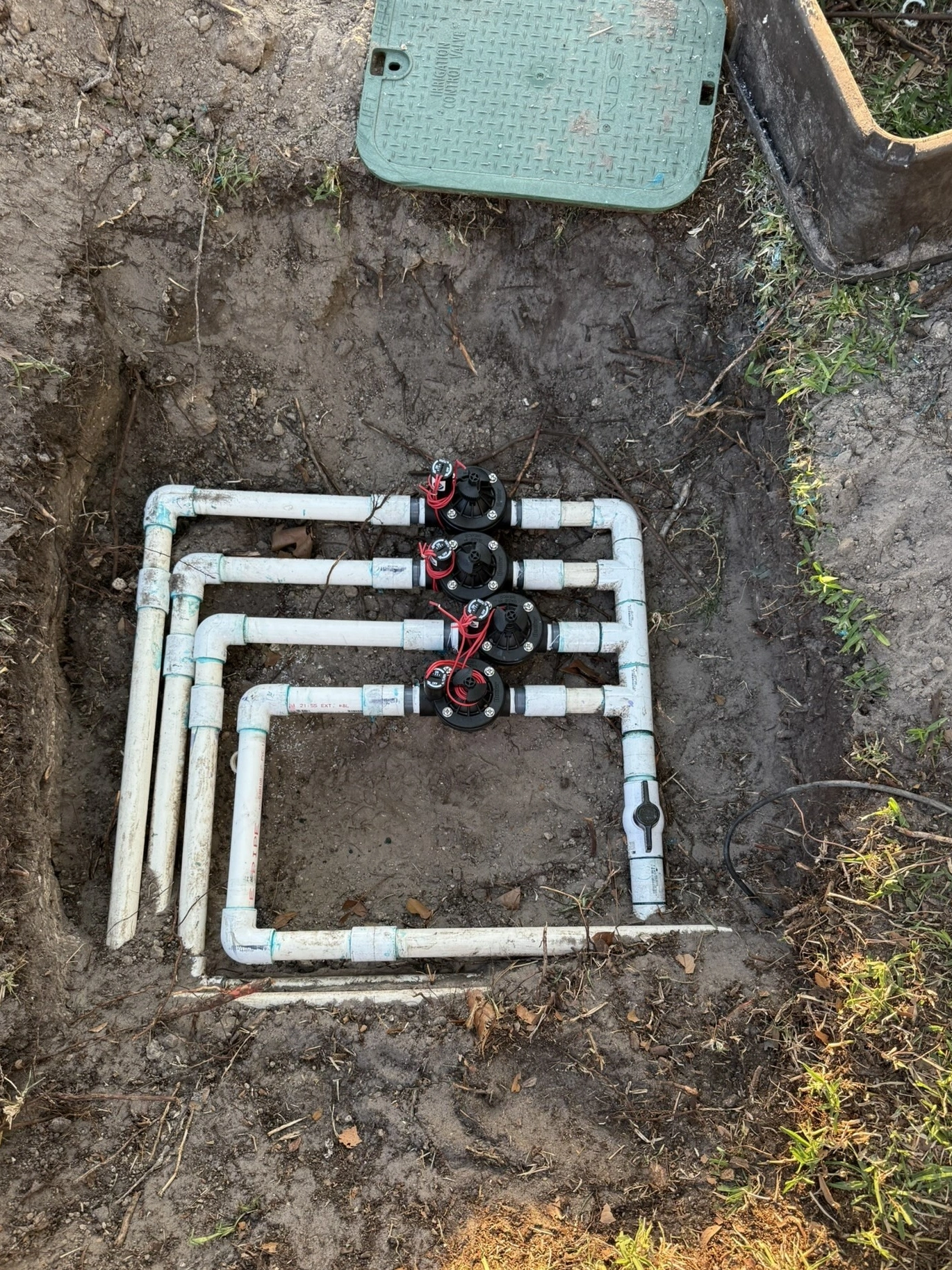
By separating these areas when appropriate, we can create irrigation zones that provide more controlled and efficient watering. The objective is to achieve consistent coverage without unnecessarily watering areas that don't need it.
Irrigation for New Planting Areas
New landscaping represents a significant investment, and proper irrigation helps protect it. As part of the redesign, we determine how new trees, palms, shrubs, flowers, groundcovers, planting beds, and sod will receive water.
Depending on the landscape design, this may involve traditional spray irrigation, rotor heads, drip irrigation, or a combination of methods.
Working Around Pavers, Turf & Outdoor Living Areas
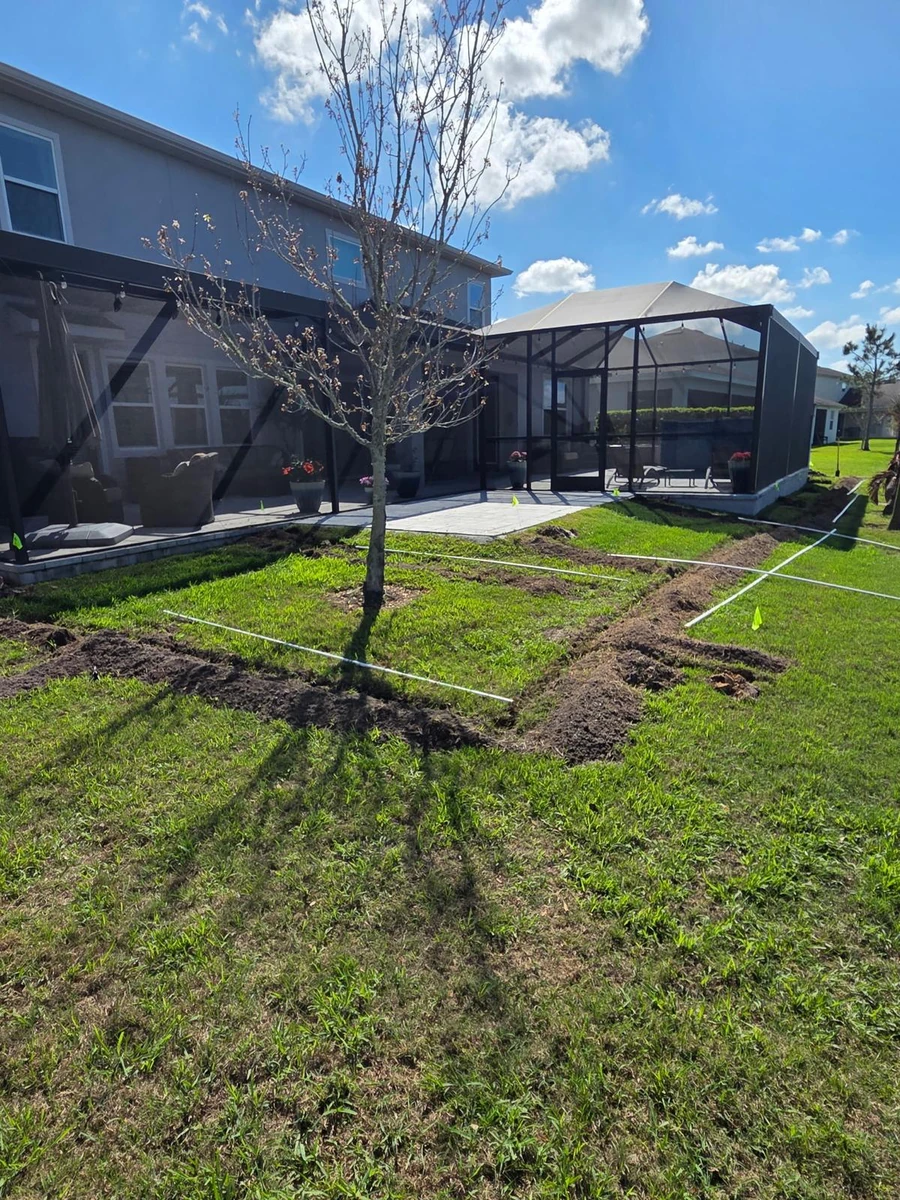
Hardscape installation can significantly affect an existing irrigation system. Before installing new pavers, artificial turf, retaining walls, fire pits, pergolas, or other outdoor features, we identify irrigation lines and sprinkler heads that may interfere with construction.
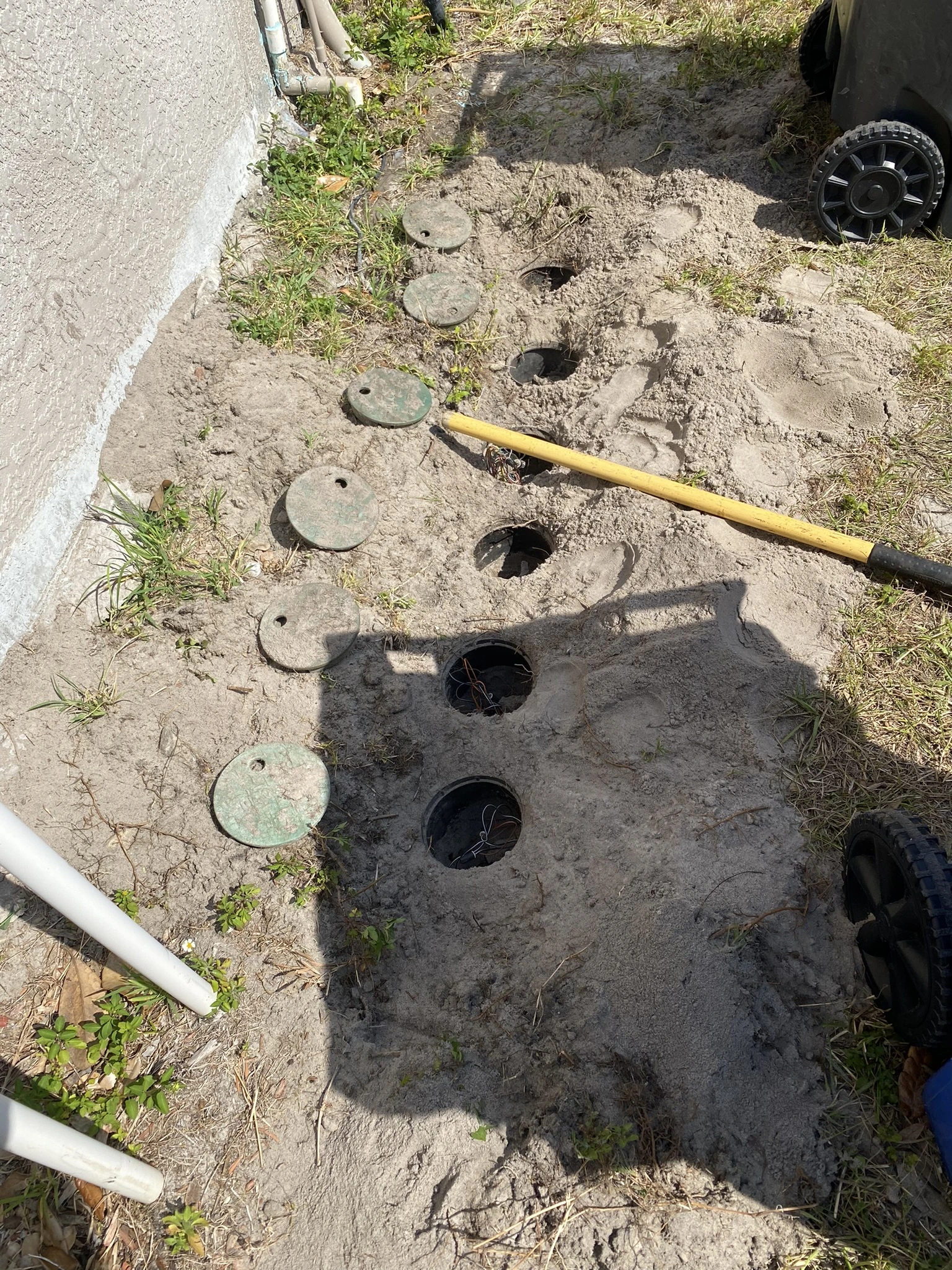
Lines may need to be rerouted, heads relocated, or entire zones redesigned. Planning this work before the hardscape is completed can help prevent having to disturb newly installed materials later.
Irrigation and Drainage Work Together
Adding more water isn't always the solution to a struggling landscape.
Poor drainage, incorrect grading, broken irrigation components, excessive watering, and inadequate coverage can sometimes create similar symptoms. During a larger landscape renovation, we consider how irrigation, grading, soil conditions, and drainage work together so the finished landscape has a better foundation for long-term performance.
Testing Before We Finish
Once the irrigation modifications are complete, the system should be tested before the project is considered finished.
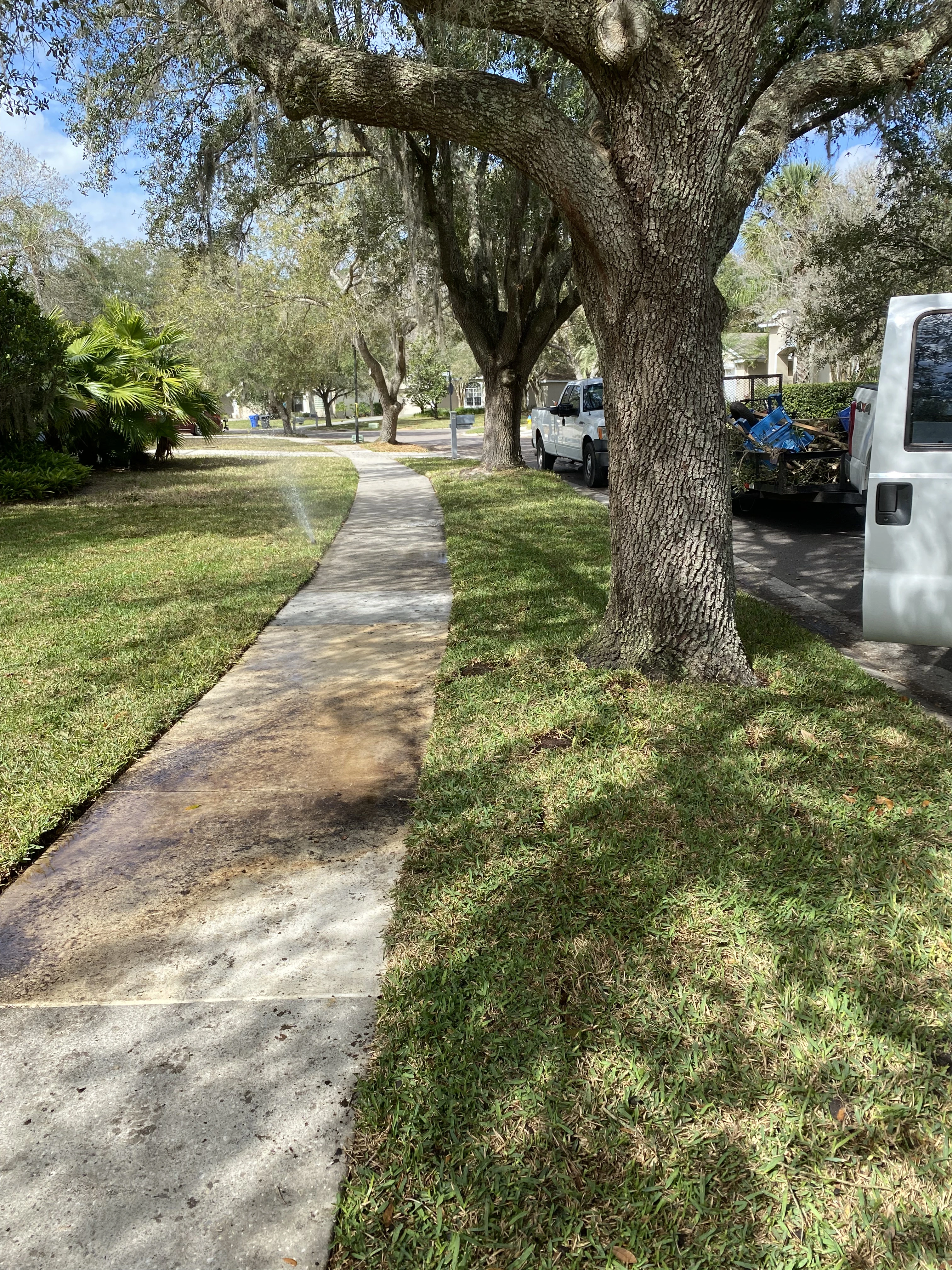
We inspect the redesigned areas, operate the zones, check sprinkler coverage, identify leaks or damaged components, adjust spray patterns, and make final corrections based on the completed landscape. The result is an irrigation system designed to support your new landscape—not the landscape that was there before.